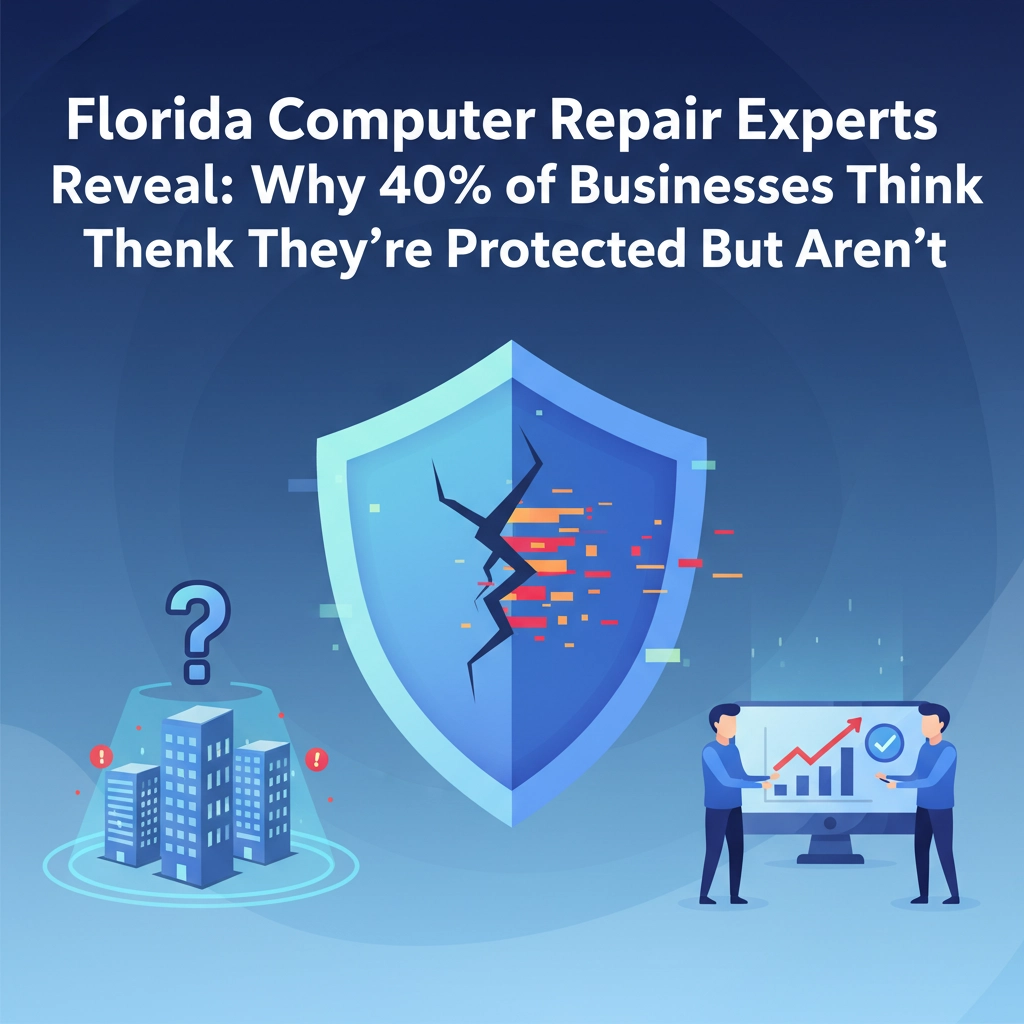

Picture this: Your business has antivirus software, a firewall, and maybe even some fancy security training from last year. You're feeling pretty good about your cybersecurity setup, right? Well, here's the uncomfortable truth that most Florida businesses are learning the hard way – having security tools doesn't automatically mean you're actually secure.
We've been working with businesses across Venice, Sarasota, and throughout Southwest Florida for years, and we keep seeing the same dangerous pattern. Companies invest in what they think is adequate protection, then get blindsided by attacks that their "secure" systems should have stopped.
The False Security Epidemic
The cybersecurity landscape has shifted dramatically, especially here in Florida where businesses face unique challenges. Remote work became the norm almost overnight, AI-powered attacks are getting scary good at fooling people, and cybercriminals are specifically targeting small to medium-sized businesses because they know most aren't as protected as they think.
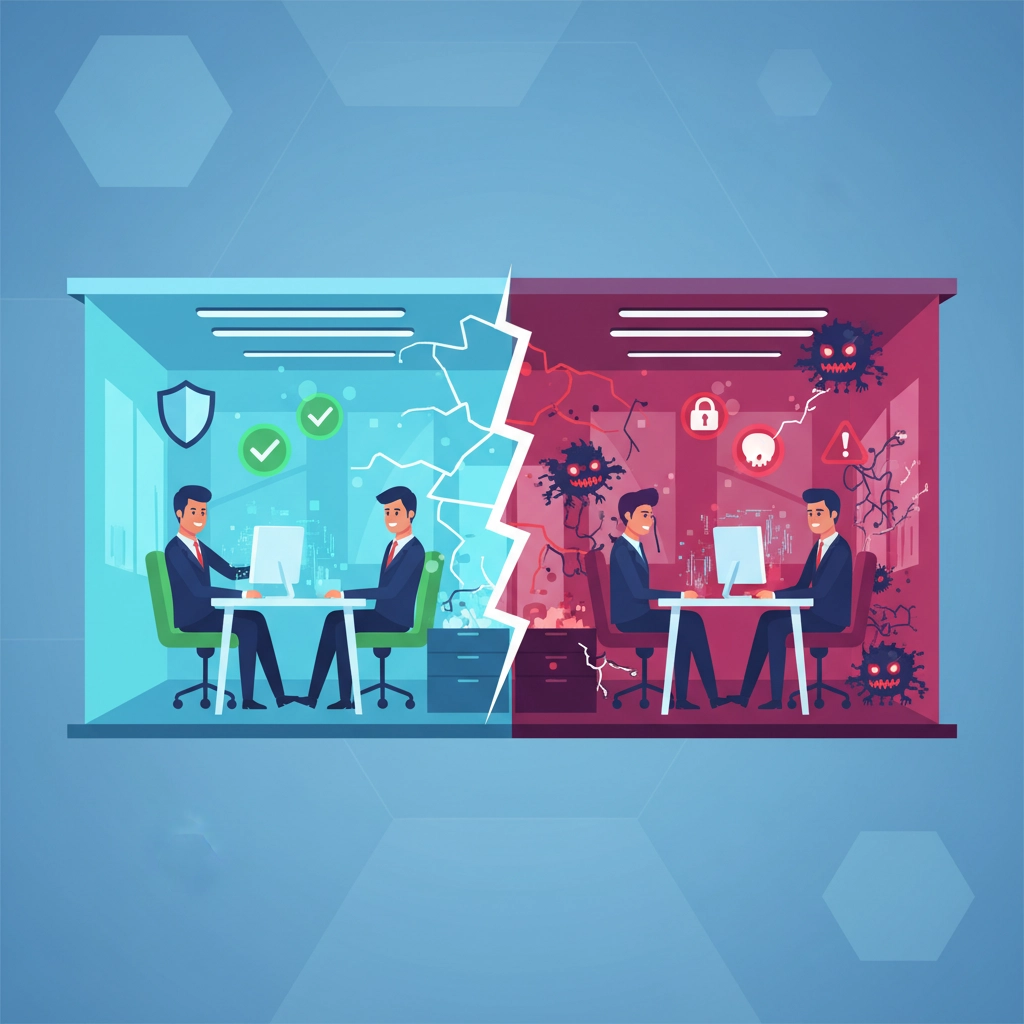
What's particularly troubling is how confident business owners feel about their current setup. We regularly get calls from companies after they've been hit, and the first thing they say is usually something like, "But we had antivirus!" or "We just updated our security last year!"
The Reality Check: What's Really Happening Out There
Let's talk numbers for a second. Over 80% of successful cyberattacks happen because of human error, not because of technical failures. That means all those security tools you've invested in can be completely bypassed by one employee clicking the wrong link or downloading the wrong file.
Ransomware attacks jumped by 30% in 2024 alone, and Florida businesses are getting hit hard. These aren't just the big corporations you hear about on the news – small accounting firms, local retailers, medical offices, and family-owned businesses are all getting targeted.
The attacks are also getting more sophisticated. Remember when phishing emails were easy to spot because of terrible grammar and obvious scams? Those days are over. Today's cybercriminals use artificial intelligence to create emails that look exactly like they're coming from your bank, your vendor, or even your coworker down the hall.
Common Misconceptions That Leave You Vulnerable
"We Have Antivirus, So We're Good"
Traditional antivirus software is like having a really good lock on your front door while leaving all your windows wide open. Modern threats don't always look like the viruses these programs were designed to catch. Phishing attacks, social engineering, and sophisticated malware often sail right past antivirus protection.
"Our Employees Know Better Than to Fall for Scams"
This one's tough because nobody wants to believe their team would fall for a cyberattack. But here's the thing – today's scammers aren't sending obvious "Nigerian Prince" emails anymore. They're researching your company, looking at your social media, and crafting messages that are incredibly convincing. Even tech-savvy employees get fooled.

"We're Too Small for Hackers to Care About"
Actually, being smaller often makes you a more attractive target. Large corporations have dedicated IT security teams and million-dollar budgets for cybersecurity. Small businesses? Not so much. Cybercriminals know this, which is why they're increasingly focusing on smaller companies that are easier to crack.
The Hidden Vulnerabilities Most Businesses Miss
Remote Work Created New Attack Surfaces
When everyone started working from home, it opened up countless new ways for attackers to get in. Home Wi-Fi networks, personal devices, unpatched routers, and family members sharing computers all create potential entry points that most businesses never considered in their security planning.
Third-Party Vendor Risks
Your business might be secure, but what about your payroll company? Your cloud storage provider? Your website host? If any of these vendors get breached, your data could be exposed even if your own security is rock solid. Most businesses never think to ask their vendors about their security practices.
Cloud Misconfigurations
Moving to the cloud can be great for your business, but it's not automatically secure. Misconfigured cloud settings, default passwords, and improper access controls create vulnerabilities that many businesses don't even know exist.
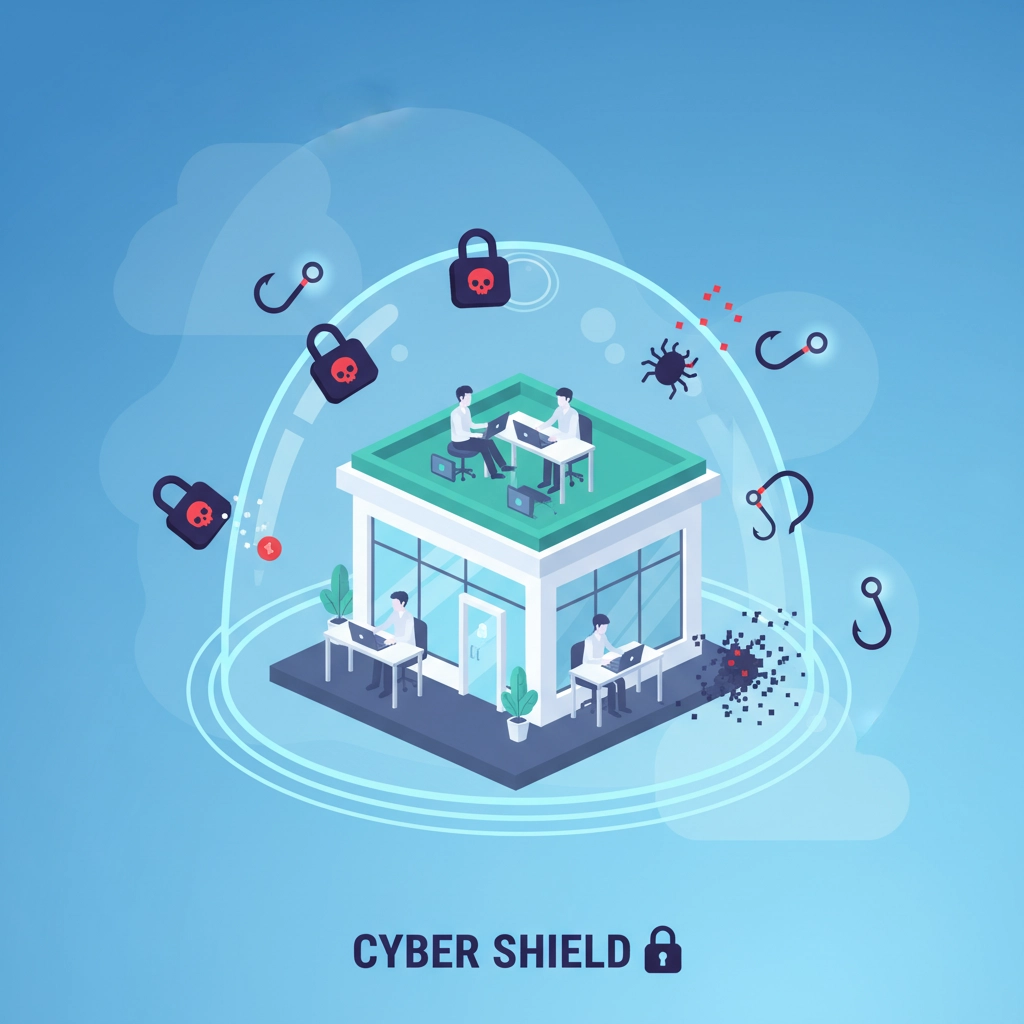
Insider Threats
This doesn't necessarily mean malicious employees (though that happens too). More often, it's well-meaning staff members who accidentally create security risks. Maybe someone uses their personal Dropbox for work files, or installs unauthorized software, or shares passwords with teammates. These everyday actions can create serious vulnerabilities.
What Real Protection Actually Looks Like
True cybersecurity isn't just about buying software – it's about creating a comprehensive defense strategy that addresses both technical and human vulnerabilities. This includes regular security assessments, employee training that actually works, proper backup systems, and incident response planning.
The businesses that stay protected are the ones that treat cybersecurity as an ongoing process, not a one-time purchase. They understand that the threat landscape changes constantly, and their defenses need to evolve accordingly.
Layered Security Approach
Instead of relying on one or two security tools, protected businesses use multiple layers of defense. Think of it like protecting your house – you wouldn't rely just on a lock, you'd also have an alarm system, good lighting, maybe security cameras, and neighbors who look out for each other.
Regular Security Training
And we're not talking about that annual PowerPoint presentation that everyone clicks through. Effective security training is ongoing, relevant, and includes real-world scenarios that employees might actually encounter.
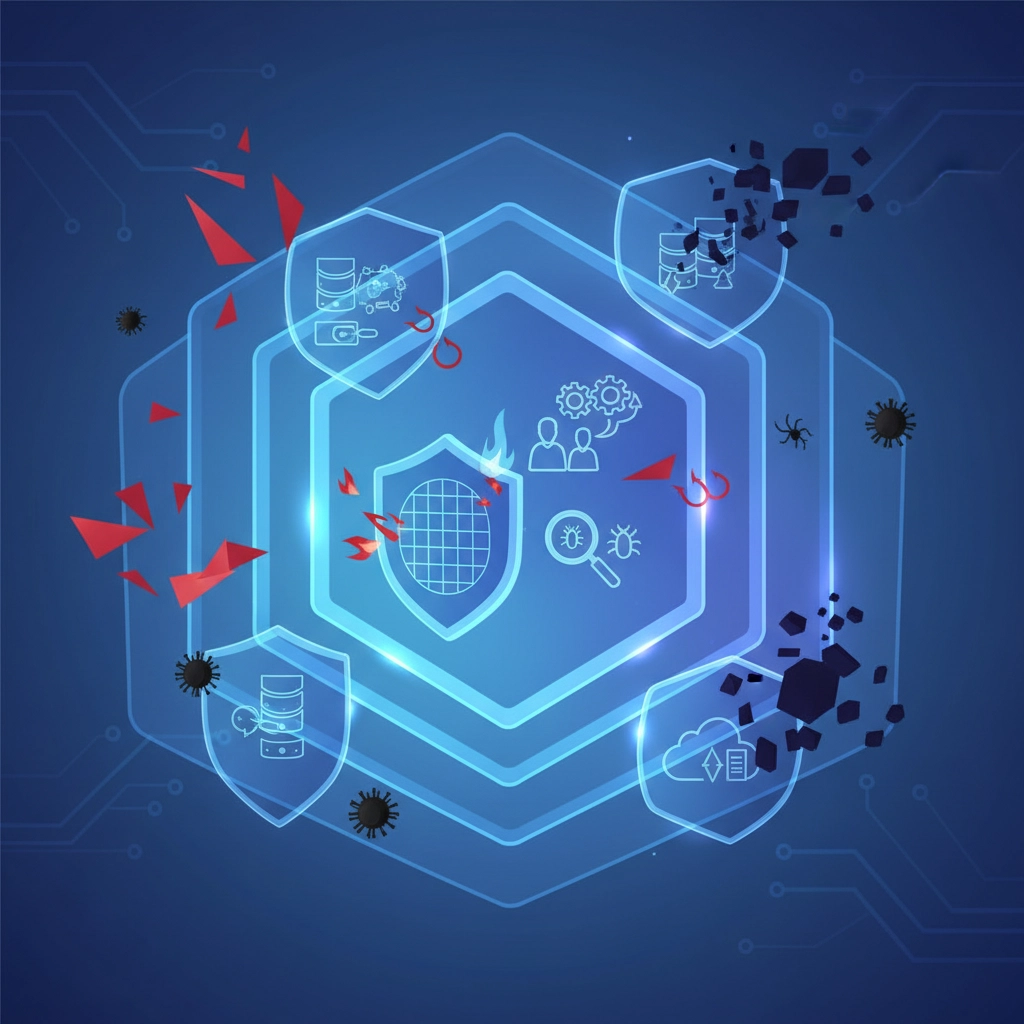
Proactive Monitoring
Many businesses only discover they've been breached weeks or months after the fact. Protected businesses have systems in place that monitor for suspicious activity 24/7 and can respond to threats in real-time.
Tech Humor Break: Why Computer Security Is Like Dating
Why is computer security like dating? Because even if you think you're being careful, one wrong click and suddenly you're dealing with problems you never saw coming!
And just like in dating, the most dangerous threats often come disguised as something you actually want. That "urgent" email from your bank? That "free" software download? That "exclusive" deal that expires in an hour? They're the digital equivalent of "I'm definitely single and not a serial killer."
Here's another one: What did the firewall say to the virus? "You shall not pass!" But the virus replied, "That's okay, I'll just ask your employee to let me in through the front door."
Fun Fact: The first computer virus was created in 1982 and was called "Elk Cloner." It infected Apple II computers through floppy disks and displayed a poem when it activated. Compared to today's ransomware, it was basically the equivalent of a friendly neighborhood prankster!
Don't Wait for a Wake-Up Call
The businesses that contact us after an attack always say the same thing: "I wish we had done this sooner." Don't let your business become another statistic. If you're reading this and thinking about your own cybersecurity setup, that's actually a good sign – it means you're taking the threat seriously.
The bad news is that cyber threats aren't going anywhere. The good news is that with the right approach, your business can be properly protected. It's not about having perfect security (that doesn't exist), but about making your business a harder target than the one next door.
If you're concerned about your current cybersecurity setup or want to know what real protection would look like for your specific business, don't wait for an attack to find out where you're vulnerable. Give us a call and ask to speak with John Reed – he can walk you through what comprehensive IT security actually involves and help you understand what level of protection makes sense for your business.
Remember, the cost of prevention is always less than the cost of recovery. But if you want specific information about what that investment would look like for your business, you'll need to have that conversation directly. Every business is different, and cookie-cutter security solutions are part of the problem, not the solution.
Your business, your data, and your customers deserve better than hoping for the best. Let's make sure you're actually protected, not just protected in theory.